

Blog

The Unspoken Pressure to Drink, Holiday After Holiday
When people talk about increased substance use around the holidays, most minds jump straight to Thanksgiving and Christmas.
But the truth is, it’s not just those holidays. It’s New Year’s Eve, Valentine’s Day, St. Patrick’s Day, Fourth of July, birthdays, weddings, vacations, long weekends—even “random” celebrations that somehow still come with a drink in hand.
For many people, it can start to feel like every meaningful moment on the calendar is tied to substance use, and that pressure adds up.

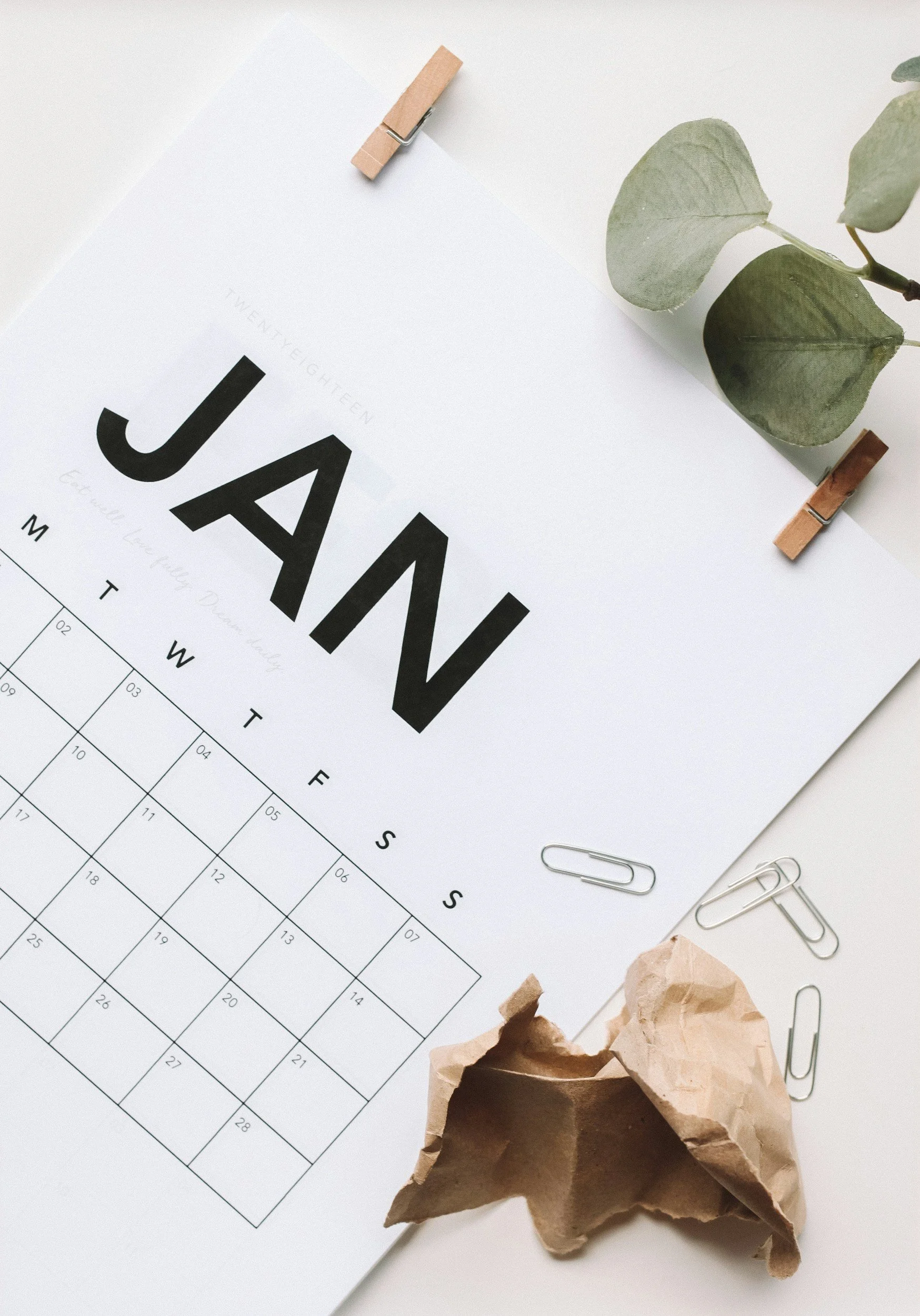
Dry January Is Over. Now What?
If you participated in Dry January, chances are it started with good intentions. And for many people, there was another intention quietly woven in too—one that doesn’t get talked about as much:
To prove to yourself (or others) that you don’t have a problem.
None of these intentions are wrong. They’re human. And they’re worth slowing down and looking at—especially now that Dry January is over and the question becomes… what happens next?
Still Doing Dry January… or Did It Get Complicated?
If you told yourself you were doing Dry January and now you’re not… pause right here.
This isn’t a call-out.
It’s not a failure check.
It’s just an invitation to get curious.
Because you’re not alone.
About two weeks into the new year is when a lot of goals start to wobble. The motivation fades, real life creeps back in, and the promise you made to yourself begins to feel heavier than you expected.
So the question isn’t “Why couldn’t I stick to it?”
The more helpful question is… why was it harder than I thought it would be?
Why Substance Use Feels So Hard to Break—And How Your Childhood Might Be Connected
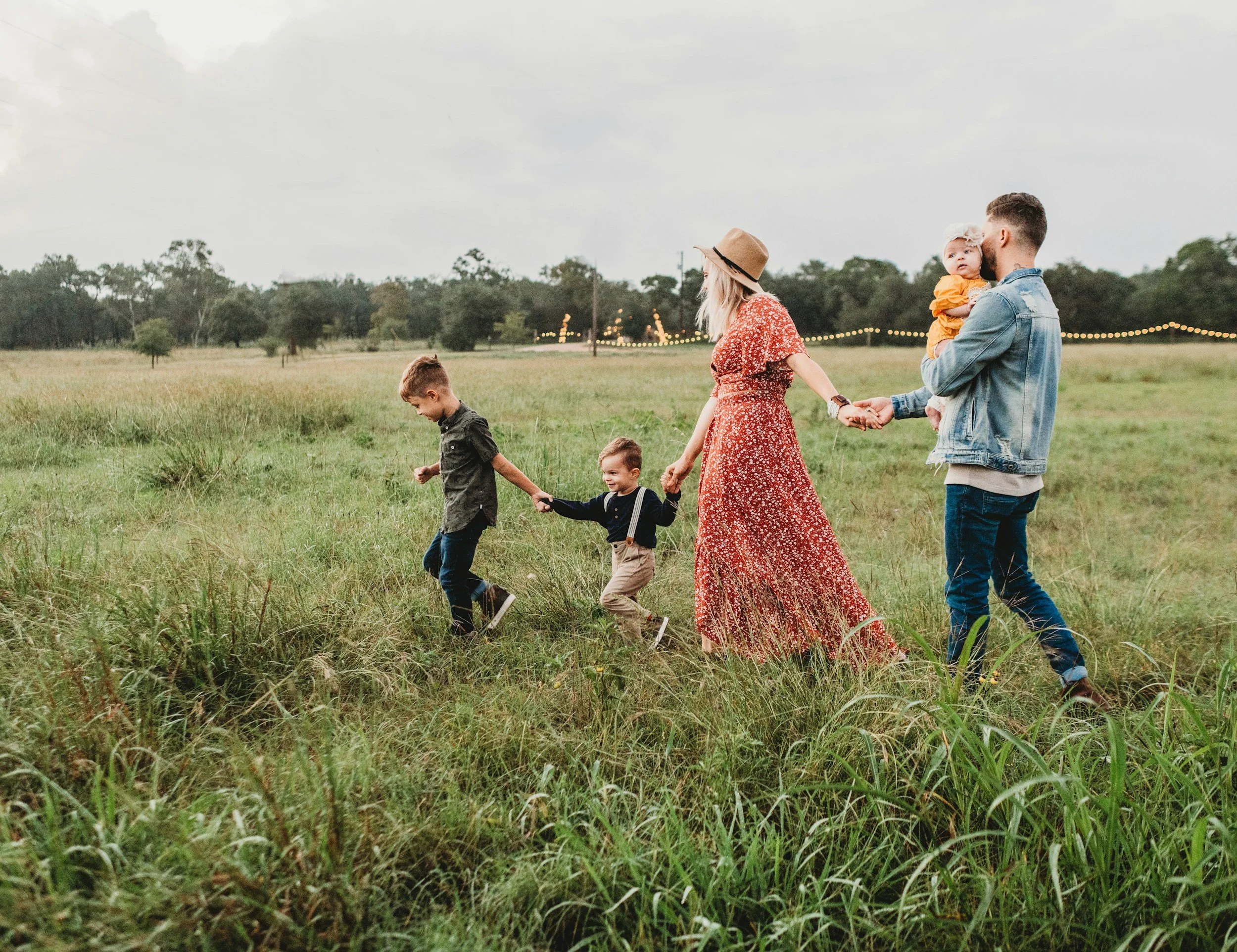
Many adults were never taught how to understand their emotions—let alone cope with them. Not because their parents didn’t care, but because their parents didn’t know how to model that level of emotional support either. Avoidance becomes a learned, generational pattern without anyone meaning for it to happen.
So as you grew older, when sadness, stress, anxiety, shame, or loneliness surfaced, your body naturally reached for something that brought fast relief. People often use substances to fill that role—not because you’re weak, but because that’s the only strategy that seemed to do the job.

Addiction as a Family Disease
Addiction is a disease more than it is a choice. No one with an addiction wakes up each morning wanting to engage in habits that lead to negative outcomes.